
JP, the author is a founder of PSP and a registered free writer
About freedom of the press and journalism
Beforehand
It is important to pay attention to several subjects that are in the field as we collect ourselves to move forward and revise the vast amount of information in open sources, online archives and libraries, media platforms, books, and social media. I won't want to invest much time in researching and describing the pillars of the activity. The masking and filtering out of global subjects that hinder clear insight into things and even addressing authorities, officials, organizations, committees, and almost everybody else we know.
When reading the information and following the articles about family law and Jugendamt in Germany, remembering the main goal of improving the state of society and democracy, as well as protecting human rights of individuals of all ages, is essential.
Let's get straight down to it. Read it carefully and remember, the writing is serving a high purpose, which is benefiting all parts of society in a direct or indirect way.

Investigative journalism
Key characteristics of investigative journalism include:
-
Thorough Research: Investigative journalists conduct extensive research to gather information from multiple sources, documents, interviews, and data analysis. They often spend a significant amount of time digging into the details of a story to verify facts and ensure accuracy.
-
Uncovering Hidden Information: This form of journalism aims to bring to light information that powerful individuals or institutions may want to keep secret. It can involve exposing corruption, scandals, corporate malpractices, government misconduct, human rights abuses, environmental issues, and more.
-
Source Protection: Given the sensitive nature of the information being investigated, journalists take precautions to protect their sources' identities to prevent any harm or retaliation against whistleblowers or informants.
-
Public Interest: Investigative journalism serves the public interest by providing critical information that empowers citizens, holds those in power accountable, and fosters transparency in society.
-
Challenging Authorities: Investigative journalists often challenge powerful entities, including governments, corporations, or influential individuals. This requires tenacity and courage, as it may involve facing legal threats, intimidation, or attempts to discredit their work.
-
Long-Term Projects: Investigative reporting is usually time-consuming and requires patience. Stories may take weeks, months, or even years to fully develop, as journalists gather evidence and connect the dots to present a comprehensive and accurate picture of the issue at hand.
-
Storytelling: While investigative journalism focuses on facts and evidence, it is also crucial to present the findings in a compelling narrative format that captures readers' or viewers' attention and understanding.
One of the primary goals of investigative journalism is to reveal information that may have been deliberately hidden or suppressed, making it an essential tool for ensuring accountability and shining a light on issues that otherwise might not receive proper attention. Investigative journalists often take risks and face challenges as they work to uncover the truth, but their efforts can lead to significant societal impacts and positive change.
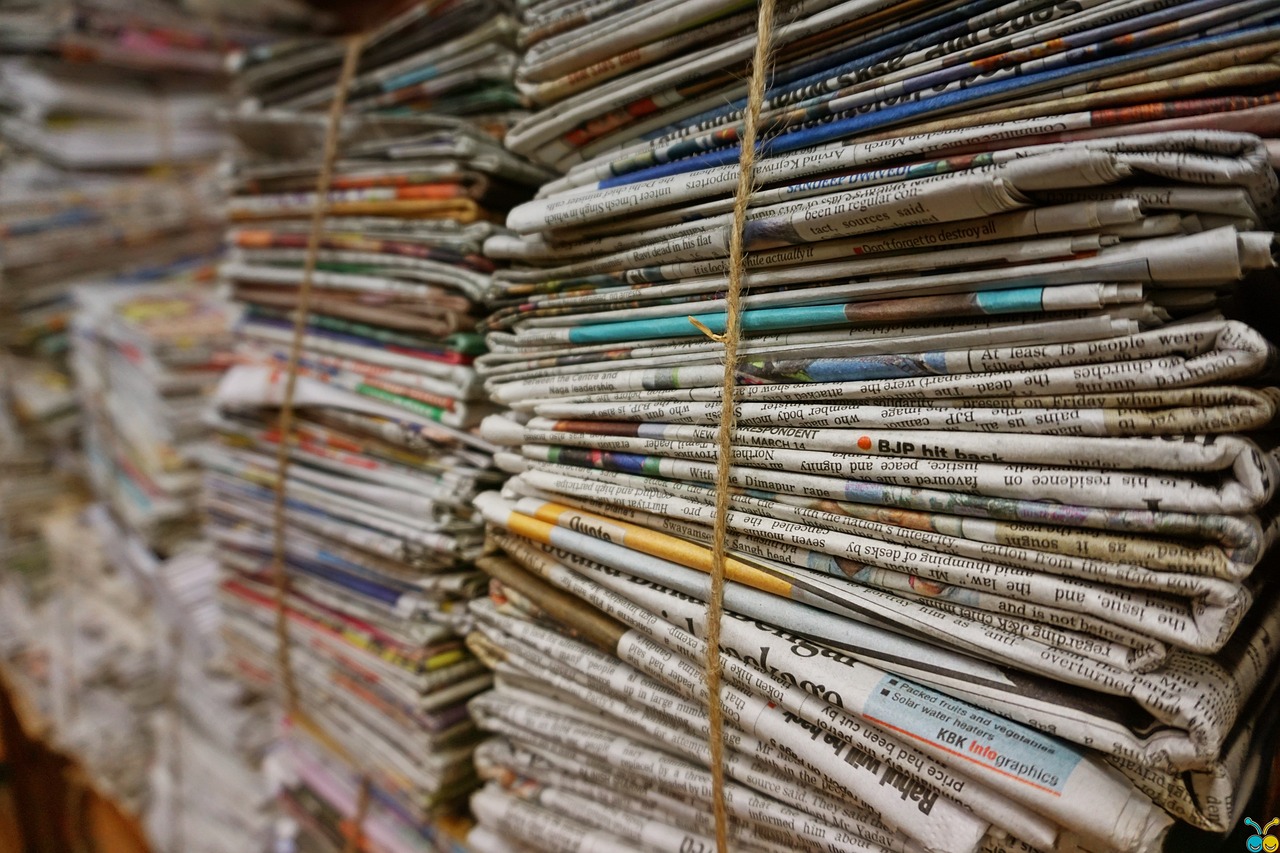
Freedom of the press
Accountability of Government: An open and free press is critical in keeping governments and public authorities responsible for their acts and choices. Journalists serve as watchdogs, researching and reporting on matters of public concern such as corruption, human rights violations, and power abuse.
Pluralism and Diversity: A free press fosters a diverse range of voices, viewpoints, and ideas. It enables the establishment of numerous media sources expressing varied political, social, and cultural viewpoints, encouraging informed public conversation.Journalist Safety: Part of protecting press freedom is safeguarding the safety of journalists and media workers. While reporting in combat zones or exploring sensitive subjects, journalists may encounter danger, threats, and violence. It is critical to protect the public in order to sustain a free press.
Censorship and Prior Restraint: Governments or authorities may attempt to impose censorship or prior restraint on the press by prohibiting the publishing of specific pieces of information or stories. Such measures are prohibited under press freedom, guaranteeing that media companies can publish without undue influence.
Source secrecy: Maintaining the secrecy of sources is critical in investigative journalism. Journalists must be able to protect their sources' identities, allowing whistleblowers and informants to come forward without fear of reprisal.Media Freedom vs. Media Regulation: Although controlling the media and stifling opposition are important goals, media regulation should not be used as a means of controlling the media or upholding unethical standards.
Protections from abroad: International human rights documents, like Article 19 of the International Covenant on Civil and Political Rights and the Universal Declaration of Human Rights, acknowledge and defend press freedom.
Yet, there are situations in which restrictions on press freedom may be necessary, such as when it comes to curbing hate speech or safeguarding national security. It can be difficult and never-ending to strike a balance between press freedom and other societal interests.
A healthy democracy depends on a strong, independent press because it gives people the ability to get trustworthy information, take part in public discussions, and make educated decisions. Nations that uphold and defend press freedom typically have stronger democratic environments as well as more open and accountable governments.
Der Artikel 5 des deutschen Grundgesetzes garantiert die Meinungsfreiheit, Pressefreiheit, und die Freiheit der Berichterstattung, Kunst und Wissenschaft. Hier ist der Wortlaut von Artikel 5 GG:
Artikel 5 Grundgesetz (GG):
- Die Freiheit der Meinungsäußerung, die Pressefreiheit und die Freiheit der Berichterstattung durch Rundfunk und Film werden gewährleistet.
- Eine Zensur findet nicht statt.
- Die Kunst und die Wissenschaft sind frei. Die Forschungsfreiheit wird gewährleistet.
- Die Freiheit der Lehre entbindet nicht von der Treue zur Verfassung.
Article 5 of the German Basic Law guarantees freedom of expression, freedom of the press, and the freedom of reporting, art, and science. Here is the wording of Article 5 of the Basic Law:
Article 5 Basic Law (GG):
Freedom of expression, freedom of the press, and the freedom of reporting through broadcasting and film are guaranteed. Censorship shall not take place. Art and science are free. Research freedom is ensured. The freedom of teaching does not exempt from loyalty to the constitution.
In the context of Article 5 of the German Basic Law, the statement "No censorship shall take place" means that there is a constitutional prohibition against any form of prior restraint or suppression of expression by the government or other authorities. The idea is to safeguard freedom of speech and freedom of the press, ensuring that individuals and media outlets have the right to express their opinions and disseminate information without interference from governmental authorities.
"No censorship" implies that individuals have the right to communicate their thoughts and ideas freely, and media organizations can publish information without fear of government intervention to suppress or control the content. This principle is fundamental to the protection of democratic values and the free exchange of ideas within a society. It emphasizes the importance of allowing diverse opinions and perspectives to be heard without undue restrictions.